Priced Out of a Phone Call: The Quiet Toll Booth Between Incarcerated People and Their Families

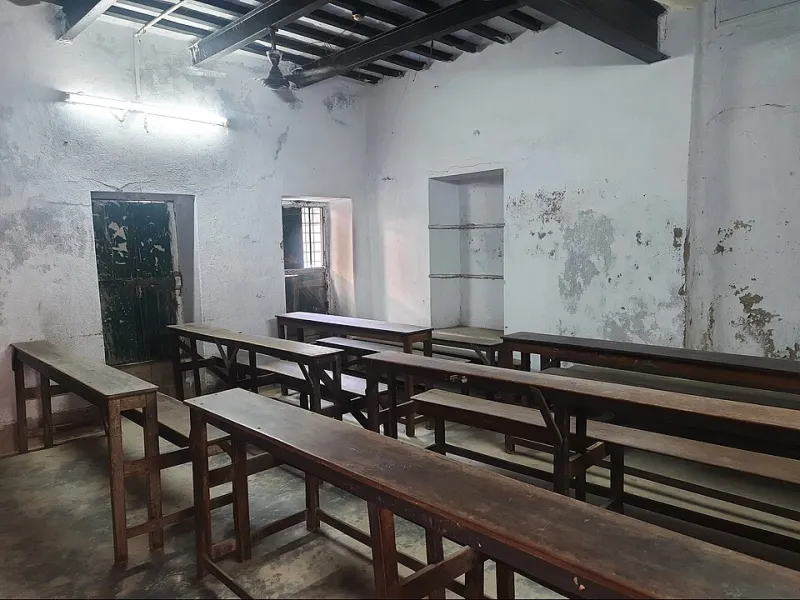
Photo: Shixart1985, CC BY 2.0, via Wikimedia Commons
The invoice arrives the way most bills do — emailed, itemized, easy to dismiss. But read the line items closely and you will find something that does not belong on any legitimate balance sheet: a charge for a mother to see her son's face.
For families of the nearly two million people incarcerated in the United States, staying connected has become a subscription service. Fifteen-minute video calls billed at premium rates. Phone calls metered by the minute through a handful of dominant vendors. Care packages restricted to approved catalogs where a bag of ramen can carry a markup that would embarrass an airport gift shop.
This is not the informal price of poverty. It is an industry, and it is built on the one thing decades of research say keeps people from returning to prison after release: family contact.
The Arithmetic of Staying Whole
Consider what a single household might pay in a typical month. A grandmother in Cleveland budgets $40 for video visitation because the prison is a six-hour drive away. A wife in Houston keeps a prepaid phone account topped up, roughly $60, because her husband's facility limits calls to twenty minutes. A father in Philadelphia orders from the approved vendor list because the facility banned direct packages, and the catalog prices run two to three times retail.
Add it up and the math becomes brutal. Advocacy groups estimate that low-income families collectively spend billions of dollars a year on correctional communication — money that would otherwise go to rent, groceries, or a college fund. The burden falls overwhelmingly on women, and disproportionately on Black and Latino households, extending the economic reach of incarceration far beyond prison walls.
This is the machinery of what reformers call the carceral economy: profit extracted not from the person behind bars, but from everyone trying to reach them.
A Market With a Captive Audience
The structure of the prison telecom market explains the pricing. Facilities rarely negotiate on behalf of the families. Instead, vendors bid for exclusive contracts, often agreeing to pay the prison itself a commission — sometimes 50 percent or more of call revenue — in exchange for monopoly access. The facility wins a revenue stream. The vendor wins a captive market. The family pays for both.
Because there is no competition once a contract is signed, there is no downward pressure on rates. A call that costs fractions of a cent to carry can be billed at dollars per minute. Video visitation, marketed as a convenience, has in some facilities displaced in-person visits entirely — and at some prisons, video sessions replaced free contact visits with paid ones.
The commissary and package systems work on a similar logic. When states contract with a single approved vendor and prohibit families from shipping items directly, they convert basic goods into monopoly products. The markup is not the cost of security. It is the cost of having no alternative.
What the Research Has Said for Decades
The cruel irony is that the evidence on family contact is not contested. Studies stretching back decades consistently find that maintaining close family ties during incarceration reduces recidivism, improves institutional behavior, and eases reentry after release. The federal Bureau of Justice Statistics and independent researchers alike have documented that people who receive visits are meaningfully less likely to reoffend.
In other words, the state is charging families a premium for behavior that reduces the state's own costs. Every dollar extracted from a phone call is a small tax on rehabilitation.
The States Pushing Back
The counter-movement is gaining ground. Connecticut became the first state to make prison phone calls free in 2021, followed by California, and a growing list of states including Illinois, Minnesota, and Colorado have moved to eliminate or sharply cap the cost of calls. The Federal Communications Commission, after years of litigation and advocacy, has moved to cap rates on calls from jails as well as prisons.
Legislators behind these bills frame the issue in plain terms: communication with family is a public good, not a commodity. California's implementation alone shifted tens of millions of dollars in annual costs from the shoulders of families to the state budget — a fraction of what recidivism costs taxpayers.
Advocates are quick to note the limits. Free phone calls do nothing about commissary markups, package restrictions, or video fees that fall outside telecom rules. The toll booth has many windows, and closing one does not close them all.
Why This Fight Belongs in the Broader Movement
Ending the New Jim Crow means following the money into every corner of the carceral system — including the billing statements that arrive in family inboxes. The same logic that made poverty a crime in the streets made love a line item behind the walls. Both rest on the same premise: that the families of incarcerated people are a population that can be billed without consequence.
The movement to make prison communication free is, at its heart, a movement about who bears the cost of incarceration. For too long, the answer has been the people least responsible for it. The legislative wins in Connecticut and California prove the toll booth is not inevitable. It was built. It can be dismantled — one contract, one statute, one phone call at a time.