End the New Jim Crow Dismantling mass incarceration, one story at a time

End the New Jim Crow

Dismantling mass incarceration, one story at a time

Latest Articles

Economic Justice

The Ledger That Ruins Lives: Inside One County's Machine for Turning Unpaid Fines Into Lost Freedom

A single unpaid parking citation in one American county traveled through late fees, a license suspension, and a bench warrant before anyone looked at the underlying ticket. Tracing that paper trail reveals how fine-and-fee debt has become a shadow sentencing system — and why a growing number of jurisdictions are scrapping flat fines altogether.


Priced Out of a Phone Call: The Quiet Toll Booth Between Incarcerated People and Their Families
Economic Justice

Priced Out of a Phone Call: The Quiet Toll Booth Between Incarcerated People and Their Families

Every week, families across America open their budgets to pay for something research says should be free: contact with a loved one behind bars. This investigation traces how telecom monopolies, commissary markups, and restricted vendor lists turned family love into a revenue stream — and the lawmakers finally fighting to tear the toll booth down.

The Long Distance Between Us: What One Family's Budget Reveals About the Cost of Staying Connected
Economic Justice

The Long Distance Between Us: What One Family's Budget Reveals About the Cost of Staying Connected

Every month, families across America spend hundreds of dollars just to hear a loved one's voice. We followed one household's ledger to understand how phone rates, video contracts, and travel costs quietly tax the poorest communities in the country.

From Hallway Handcuffs to Cell Blocks: The Arithmetic of a Suspended Childhood
Economic Justice

From Hallway Handcuffs to Cell Blocks: The Arithmetic of a Suspended Childhood

Suspension slips don't just mark a bad day at school—they function as the first entries in a criminal record that hasn't been written yet. A look at the districts that tore up the referral pipeline and what their numbers reveal about discipline, race, and the price of a lost classroom.

When the Prison Is the Biggest Employer: Rethinking the Rural Economy Built Around Cages
Economic Justice

When the Prison Is the Biggest Employer: Rethinking the Rural Economy Built Around Cages

Hundreds of rural American towns depend on prisons for jobs, tax revenue, and civic identity — a dependency that complicates closure but cannot justify keeping the cages open. The towns that have retooled around education, healthcare, and clean energy offer a blueprint reformers cannot ignore.

Twenty-Three Hours in a Box: The Data Behind America's Isolation Cells and the States Dismantling Them
Movement Profiles

Twenty-Three Hours in a Box: The Data Behind America's Isolation Cells and the States Dismantling Them

Solitary confinement persists in every state, but the evidence of its psychological toll has grown impossible to ignore. A handful of states are proving that isolation can be sharply reduced without endangering anyone — and their playbook is spreading.

When the Gavel Went Silent: A Judge Who Walked Away and the Fight to Give Courts Back Their Voice
Economic Justice

When the Gavel Went Silent: A Judge Who Walked Away and the Fight to Give Courts Back Their Voice

Federal judges once weighed mercy and proportionality. Mandatory minimums made many of them spectators to injustice — and one chose to resign rather than watch. Here's how the movement to restore sentencing discretion is quietly winning, state by state.

Seventy Years Old and Still Counting: Why America's Oldest Prisoners Are the Reform Movement's Best Argument
Movement Profiles

Seventy Years Old and Still Counting: Why America's Oldest Prisoners Are the Reform Movement's Best Argument

America's prisons are graying faster than almost any institution in public life, and the data says elderly incarceration is fiscally indefensible. So why do so few states act? Inside the geriatric wards, family waiting rooms, and legislative corridors where this fight is being decided.

Illinois Killed Cash Bail. The Cages Didn't Notice.
Economic Justice

Illinois Killed Cash Bail. The Cages Didn't Notice.

The Pretrial Fairness Act was hailed as a landmark, and in many ways it was. But a walk through any Illinois county jail suggests that ending money bail without shrinking police contact upstream just reroutes people into the same cells. Here's the checklist to fix it.

The Hallway Machine: What One Metal Detector Told Us About a Generation
Economic Justice

The Hallway Machine: What One Metal Detector Told Us About a Generation

Security infrastructure in schools doesn't just reflect the carceral state — it feeds it. A data-driven look at two graduates from the same district, and a toolkit for the parents and school boards ready to dismantle the pipeline from the hallway up.

The Price of the Presumption of Innocence: What Happened When States Stopped Selling Freedom
Economic Justice

The Price of the Presumption of Innocence: What Happened When States Stopped Selling Freedom

Cash bail turns a constitutional presumption into a paywall, caging tens of thousands of people who have been convicted of nothing. New Jersey and Illinois show what happens when states stop charging for freedom — and why the backlash is so fierce.

One Person, One Vote, One Prison Wall: Reclaiming the Ballot From the Carceral State
Movement Profiles

One Person, One Vote, One Prison Wall: Reclaiming the Ballot From the Carceral State

Felony disenfranchisement was engineered after Reconstruction to neutralize Black political power, and it still does that work today. From Mississippi ballot initiatives to Virginia's executive orders, the movement to restore voting rights is reshaping what democracy means in America.

Supervised Into a Corner: How Probation Became America's Invisible Cage
Economic Justice

Supervised Into a Corner: How Probation Became America's Invisible Cage

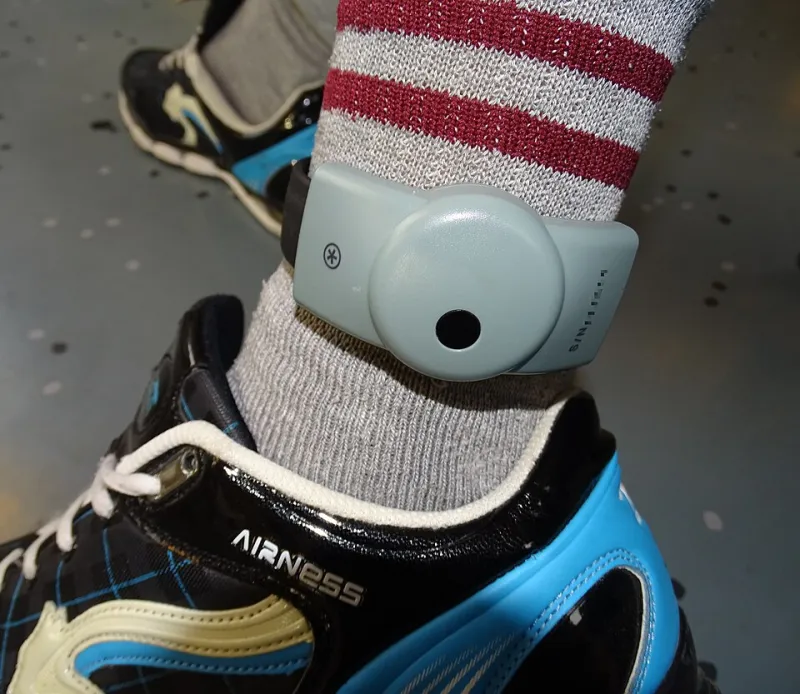
More than 3.6 million Americans live under community supervision, bound by curfews, GPS monitors, and monthly fees that can devour a family's budget. This investigation traces how parole and probation have quietly become the nation's largest pipeline back to prison — and why reformers can no longer afford to ignore it.

The Office That Decides Everything: Five District Attorneys Who Proved Prosecutors Can Shrink the System
Movement Profiles

The Office That Decides Everything: Five District Attorneys Who Proved Prosecutors Can Shrink the System

District attorneys decide who gets charged, who gets bail, and who gets a second chance — making their offices the most underrated lever in criminal justice reform. This profile series examines five reform prosecutors who measurably reduced incarceration, and distills the organizing lessons for activists who want to hold the powerful accountable.

The Credible Messenger Movement: Seven Voices Changing the Laws That Caged Them
Movement Profiles

The Credible Messenger Movement: Seven Voices Changing the Laws That Caged Them

From state capitols to policy nonprofits, formerly incarcerated leaders are authoring the very reforms that once seemed impossible. Seven profiles that make the case: those who lived the system are best equipped to transform it.

Follow the Money: Mapping the Hidden Economy Built on Incarceration
Economic Justice

Follow the Money: Mapping the Hidden Economy Built on Incarceration

Behind every cell door sits a supply chain of vendors, municipalities, and investors who depend on full beds and long sentences. We trace the $182 billion carceral economy — and show you how to spot it in your own portfolio and town budget.