One Person, One Vote, One Prison Wall: Reclaiming the Ballot From the Carceral State
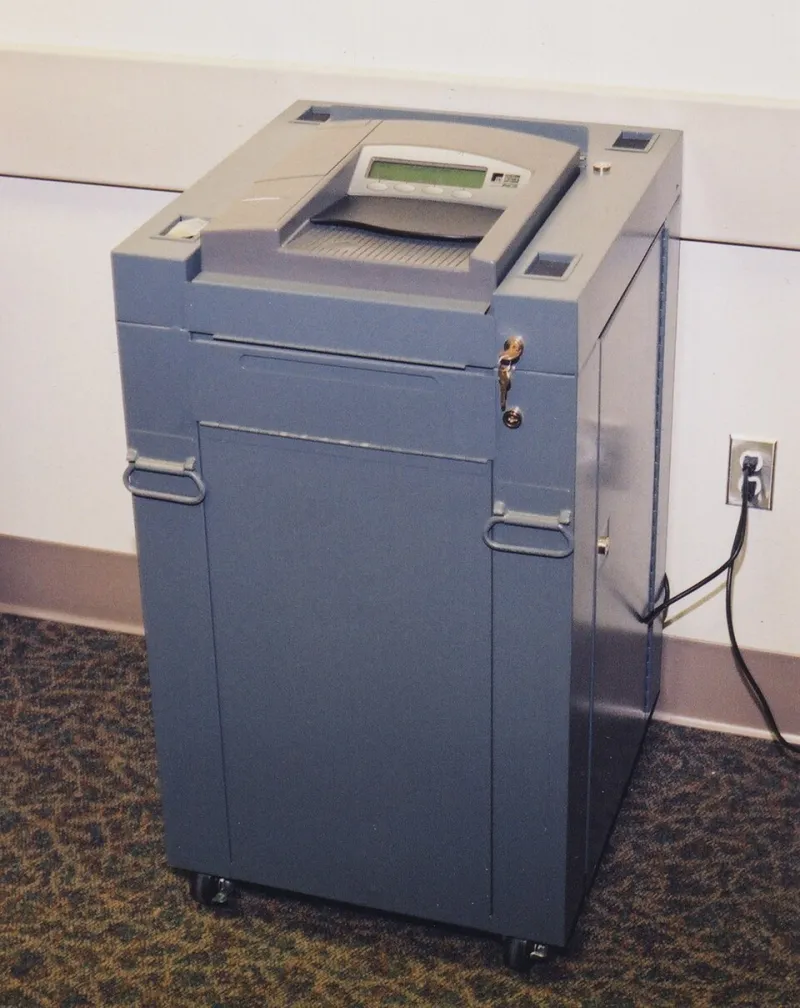
Photo: Douglas W. Jones, CC0, via Wikimedia Commons
There is a reason the Fifteenth Amendment exists, and there is a reason it has been dodged for a century and a half. When Congress barred racial discrimination in voting after the Civil War, Southern legislatures got to work on workarounds. Poll taxes. Literacy tests. And a quieter, more durable instrument: laws stripping the vote from anyone convicted of a felony.
These laws were drafted with precision. Lawmakers in the post-Reconstruction South selected offenses they believed Black citizens were more likely to be convicted of — and carefully avoided ones they were not. The result was disenfranchisement with a legal veneer, a system that did not need to mention race to serve racism's ends. That architecture still stands.
A Patchwork Designed to Confuse
Today, the rules vary so wildly that a person's right to vote can depend on which side of a state line they live on. In Maine and Vermont, people vote from inside prison. In most states, rights return after release or after completion of sentence. In a handful, including Mississippi and Alabama, restoration is so tangled and discretionary that many people never get their rights back at all.
The numbers are staggering: an estimated 4.6 million Americans were barred from voting in 2022 because of a felony conviction. In some Southern states, the figure approaches one in five Black adults. In Mississippi, a 2023 analysis found that a majority of the state's disenfranchised population was Black, in a state where nearly 39 percent of residents are Black.
The Movement Fights Back
What makes this moment different from a decade ago is the organizing. In 2018, Florida's Amendment 4 passed with nearly 65 percent of the vote, restoring rights to as many as 1.4 million people — a victory driven by a coalition that included formerly incarcerated organizers, faith leaders, and civil rights groups. The legislature then tried to attach a pay condition, requiring completion of court costs and fees before rights could be restored, effectively converting the franchise into a bill. Litigation and advocacy continue.
Mississippi's story is instructive in both directions. Organizers gathered hundreds of thousands of signatures for a ballot initiative to restore voting rights, only to see the state's initiative process gutted by the Mississippi Supreme Court in 2021. Undeterred, advocates pivoted to legislation and continued to chip away at the state's 1890-era disenfranchisement scheme, winning narrow restorations for specific offenses and keeping the broader fight alive.
Virginia has seen a different strategy. In 2016, Governor Terry McAuliffe used his clemency power to restore rights to more than 200,000 people at once, and his successor Ralph Northam continued the practice — proof that executive action can move faster than legislatures, though it remains vulnerable to reversal with each election.
The Keystone Argument
Some reformers treat voting rights as a nice-to-have, a final act of reintegration after housing and employment are secured. We reject that framing. Disenfranchisement is not a consequence of incarceration; it is a pillar of it.
Consider who is silenced. The people most affected by policing, prosecution, and prison policy — those inside the system and their families and neighbors — are precisely the people stripped of the power to change it. Politicians face no electoral penalty for embracing punitive policies because a core constituency harmed by those policies cannot vote against them. Disenfranchisement distorts the entire political marketplace.
That is why we call voting rights the keystone. Restore the vote, and you restore political pressure on every other front: sentencing laws, prosecutorial accountability, prison conditions, parole. Movements that have won ballot access have also, not coincidentally, built the coalitions that push broader reform.
The people who wrote these laws after Reconstruction understood something their modern defenders prefer not to say out loud: political power and the carceral state are locked in a zero-sum contest. Every person regaining the ballot is a vote against the machinery that took it.
Democracy is not something the carceral state permits. It is something we take back — signature by signature, lawsuit by lawsuit, state by state.