Illinois Killed Cash Bail. The Cages Didn't Notice.
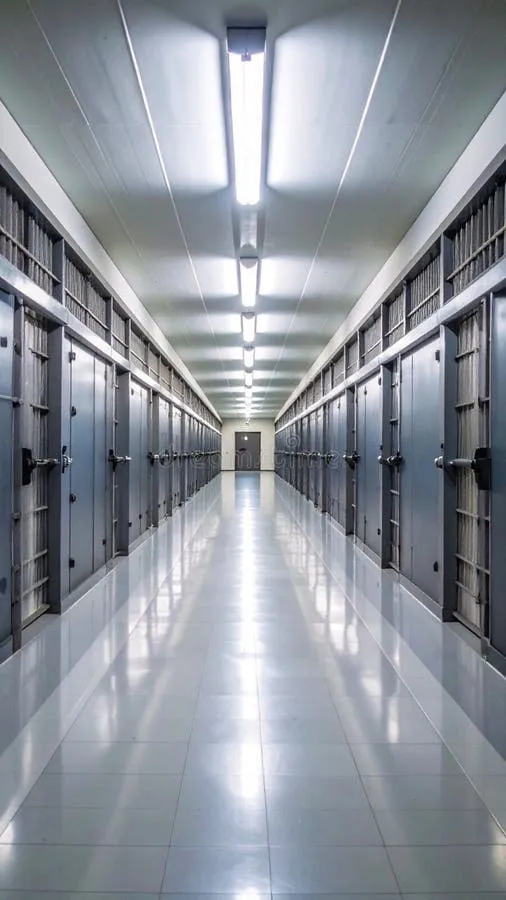
Photo: empty county jail cell corridor institutional interior, via thumbs.dreamstime.com
A Victory Worth Interrogating
Let us say it plainly first: the Illinois Pretrial Fairness Act is the most significant bail reform any state has enacted. It abolished cash bail outright, replaced wealth-based detention with a hearing-based system, and did so through the legislature rather than the courts. Advocates, this publication included, celebrated it. We were right to.
Now let us say something less comfortable. Visit the county jails in Cook and beyond, count the beds, and ask why so many of them are still full. Reform won the argument about bail and lost, for now, the argument about jail. That gap — between the headline and the headcount — is not a footnote. It is the central lesson the movement must absorb before it exports the Illinois model to twenty more statehouses.
How the Reroute Works
Cash bail was a tollbooth. Abolishing it removed the toll. It did not remove the road, and the road runs through the police officer and the prosecutor long before any judge picks up a file.
Here is the mechanism. Under the old system, a person arrested for a low-level charge might post a few hundred dollars and go home, case unresolved but body free. Under the new system, that same person — arrested for the same charge, by the same officer, using the same discretion — now waits for a detention hearing. If a prosecutor successfully petitions for detention, or if hearings are delayed by crowded dockets, the person sits. No bail amount exists to pay. There is no key, because the system has replaced a bad key with a locked door.
Early data tells a genuinely mixed story: some jurisdictions have released more people, some have detained more, and pretrial detention durations have shifted in ways that vary wildly by county and by the politics of the local state's attorney. That variance is the point. The statute did not standardize the upstream decisions that fill jail beds; it only changed what happens after they are made.
The Upstream Levers Reformers Keep Skipping
There is a comfortable story reformers like to tell: fix procedure and the system shrinks. The Illinois experience argues for a harder truth. Procedural reform operates downstream of the two decisions that actually determine incarceration — whether police make an arrest, and whether a prosecutor files a charge. Everything after that is a negotiation over the terms of confinement, not whether it happens.
Consider what has not changed in Illinois. Police still make tens of thousands of discretionary arrests annually for offenses that could be cited rather than booked. Prosecutors still file charges at rates that reflect office culture, caseload pressure, and political ambition as much as any evidence of danger. Detention hearings, however fair, can only adjudicate the universe of cases these two actors deliver to the courthouse door. Shrink that universe and the jail shrinks. Leave it alone and the jail finds its population — as it has.
This is not an argument that the Act failed. It is an argument that the Act is unfinished, and that pretending otherwise hands its opponents a talking point — "we reformed and nothing improved" — that reformers do not deserve to have used against them.
A Checklist for the Next Statehouse
Advocates in states considering pretrial reform should stop importing Illinois's statute and start importing its lessons. Concretely:
Pair bail abolition with arrest decriminalization. Legislate cite-and-release as the default for low-level offenses so that fewer people enter the system at all. A hearing only helps someone who has been arrested.
Fund the hearings like they matter. The Act's delays stem from crowded dockets and understaffed public defender offices. A pretrial system without rapid hearings and defense counsel at them is detention with better paperwork.
Measure detention, not bail. Reform opponents will flood the zone with anecdotes. Advocates need county-level dashboards tracking jail populations, detention rates, and racial disparities — published monthly, before the narrative hardens.
Target the prosecutors. The single most predictive variable in whether the Act reduces incarceration in a given county appears to be the philosophy of the elected state's attorney. Support candidates who will decline to prosecute poverty-level offenses, and hold the ones in office to the same standard.
Sunset the detention expansions. Where the Act widened the categories of detainable offenses, advocates should treat those expansions as temporary and legislate their review.
The Honest Reckoning
There is a version of this movement that collects victories like trophies: bail abolished, a vote restored, a statute renamed. And there is a version that counts human beings in cages and refuses to celebrate until the count falls.
Illinois chose the first version's language and is now living with the second version's arithmetic. The people sleeping in county jails tonight did not lose under the old system or the new one. They lost upstream, at the curb and the charging desk, where no reform statute has yet reached.
The next state to move should reach there first.