Supervised Into a Corner: How Probation Became America's Invisible Cage
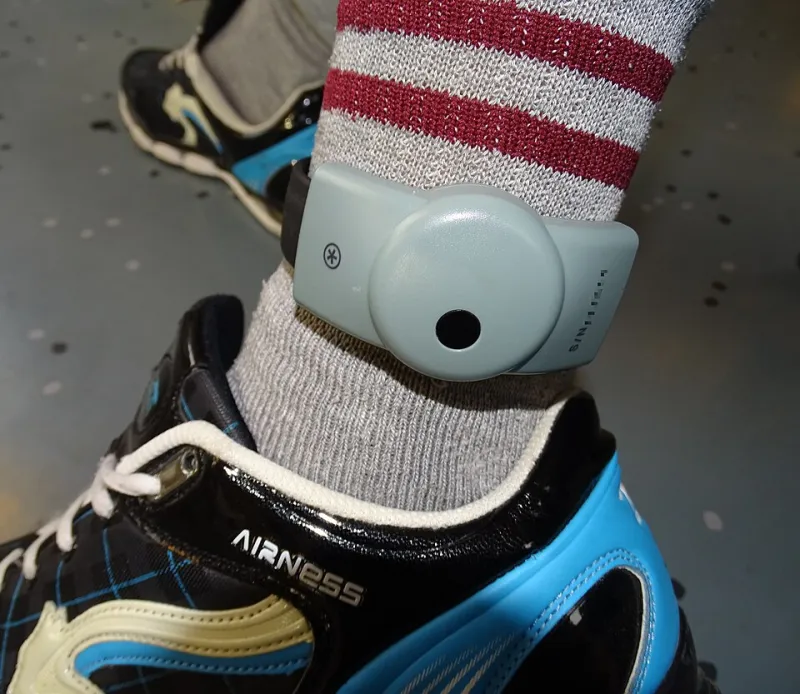
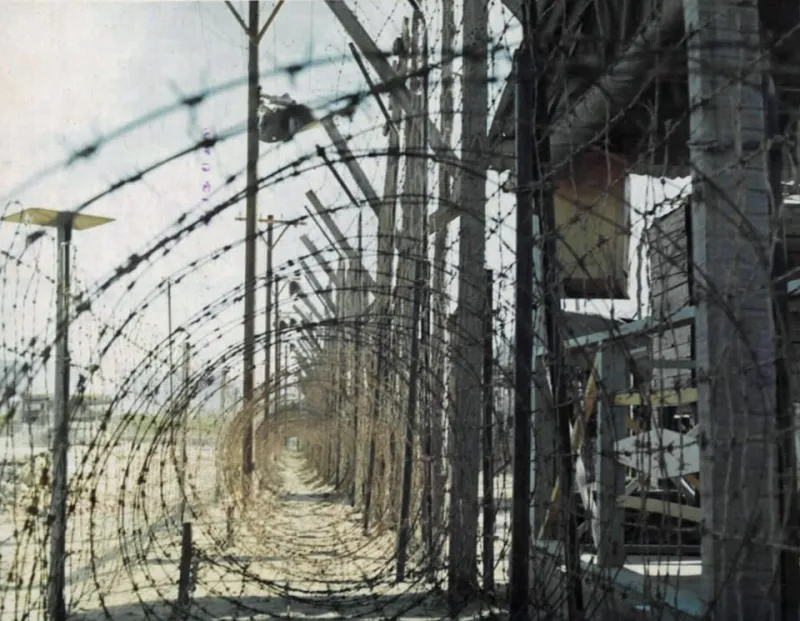
Photo: Jérémy-Günther-Heinz Jähnick, CC BY-SA 3.0, via Wikimedia Commons
When Marcus left a Georgia prison after eleven years, he carried a single envelope containing his parole conditions: a 9 p.m. curfew, mandatory check-ins fifty miles from his job site, a $35 monthly supervision fee, and a GPS ankle monitor he would be billed to maintain. Within eight months, he was back behind bars. His crime? Missing two appointments because his employer changed his shift.
His story is not an exception. It is the business model.
The Largest System Nobody Talks About
Community supervision is the sleeping giant of American punishment. Roughly 3.6 million people are on probation or parole at any given moment — nearly twice the population of the nation's prisons and jails combined. And yet the movement to end mass incarceration has historically focused its firepower on sentencing laws, bail reform, and police accountability, leaving supervision largely unexamined.
That silence has a cost. According to the Council of State Governments, technical violations — infractions like missing a meeting, failing a curfew, or falling behind on supervision fees — account for roughly one in four prison admissions nationally. In some states, the figure climbs higher. None of these violations involve a new offense. A person can follow every law in their community and still be returned to a cage for being late.
A Revolving Door With a Toll Booth
The economics of supervision deserve particular scrutiny, because they convert a person's poverty into a legal liability. Supervision fees — typically $30 to $100 per month — are levied in most states, and falling into arrears can itself trigger a violation hearing. Add the cost of drug testing, electronic monitoring rentals, mandated classes, and transportation to far-flung offices, and a person earning minimum wage can spend a third of their income simply maintaining their status as a free human being.
Private companies have embedded themselves deeply in this economy. Ankle monitor vendors, some charging $5 to $15 per day, bill supervisees directly. Court fees are farmed out to for-profit probation companies that operate in hundreds of jurisdictions, effectively taxing people on the authority of the state. When a family in Ohio or Louisiana drains its savings to keep a loved one compliant, that money does not go toward rent, food, or children — it goes to a system that can imprison the payer for nonpayment.
This is the quiet financial architecture of the carceral state, and it lands hardest on the same Black and brown communities already stripped of wealth by decades of discriminatory policing.
What the Data Show, State by State
The geography of supervision reform is uneven, but the map is instructive. South Carolina and Missouri have enacted earned-compliance credits, allowing people to shorten their supervision terms through consistent compliance — a simple inversion of the current incentive structure, which punishes missteps faster than it rewards stability. Texas, often an unlikely reformer, capped technical violation revocations in recent legislative sessions and redirected savings into treatment programs. Michigan's 2021 justice reinvestment package shortened probation terms and made parole a presumptive path rather than a gauntlet.
Where states have acted, prison populations have fallen without any measurable rise in crime. Where they have not, supervision caseloads have ballooned, with officers carrying more than one hundred cases apiece in some jurisdictions — a workload that makes individualized support impossible and turns supervision into a paperwork trap.
Reforming the Terms of Freedom
The policy agenda is neither mysterious nor radical. It begins with capping supervision terms — research consistently shows that longer supervision produces no public safety benefit. It requires decoupling supervision from fees, so that no one is ever jailed for poverty. It means reclassifying technical violations as matters for graduated community responses, not revocation. And it demands that GPS monitoring be treated as a liberty restriction, subject to time limits and judicial review, rather than as a humane alternative to incarceration.
Several states have also begun shifting supervision agencies away from revenue collection entirely, moving fee authority to courts and funding agencies through general appropriations. The distinction matters: an officer whose agency depends on collecting fees from the supervised has a structural conflict of interest that no training can erase.
The Movement's Next Front
If the war on drugs was the engine of mass incarceration, supervision is the transmission — the mechanism that keeps people locked into the system long after their sentences nominally end. A movement serious about ending the New Jim Crow must organize where the leverage actually is: in statehouses, county boards, and the budgets of probation departments.
Activists can start locally. Public records requests can expose how much supervision revenue flows from a county's poorest ZIP codes. Formerly supervised people — the credible messengers of this fight — can testify to legislative committees about the arithmetic of poverty and compliance. Coalitions can push for the same kind of oversight commissions that transformed parole in states like Pennsylvania.
Marcus's ankle monitor came off after his second parole hearing. Thousands like him are still paying, in dollars and in liberty, for the privilege of conditional freedom. Until supervision itself is reformed, the door of the prison does not truly open. It merely swings on a longer chain.